
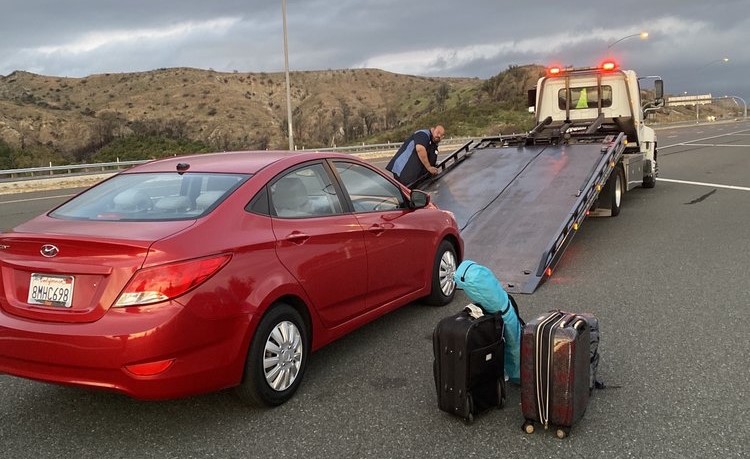
Few situations are as stressful as having your car break down unexpectedly or being involved in an accident during rush hour traffic. Whether you’re stuck along I-5, navigating congestion on CA-55, or pulled over near Bristol Street, the uncertainty can feel overwhelming. In moments like these, many drivers quickly search for “emergency car towing service near me” to get immediate help. Knowing what to expect before you call can reduce panic and help you make informed decisions. If you need immediate assistance in Santa Ana, you can call 714-702-6514 for professional support.
Understanding how an emergency response works helps you stay calm and prepared. From the initial phone call to the final drop-off location, each step follows a structured process designed to keep you safe and protect your vehicle. Here’s what typically happens when you contact an emergency car towing service in Santa Ana.
What Happens During Your Initial Call?
The Information the Dispatcher Will Request
When you call an emergency towing service, the dispatcher’s first priority is your safety and location accuracy. They will ask for your exact location, including nearby landmarks, cross streets, or highway mile markers. If you’re on I-5 or CA-55, providing the direction of travel and the closest exit helps ensure faster arrival. In busy corridors like Main Street or Bristol Street, precise details can prevent delays caused by traffic confusion.
You will also be asked about your vehicle’s condition. Is it disabled due to engine failure, a flat tire, or a collision? If airbags are deployed or fluids are leaking, that information helps determine what equipment is needed. Clear communication at this stage ensures the right tow truck is dispatched.
Questions About Safety and Vehicle Details
Dispatchers may ask if you are in a safe location and whether anyone is injured. If your vehicle is blocking traffic in downtown Santa Ana or sitting on the shoulder during heavy commuter hours, they will prioritize a fast towing response. You’ll also provide your vehicle’s make, model, and color so the driver can quickly identify you. Having your driver’s license, registration, and insurance details ready can also streamline the process. Although they may not be required immediately, having them accessible helps avoid delays once the tow truck arrives.
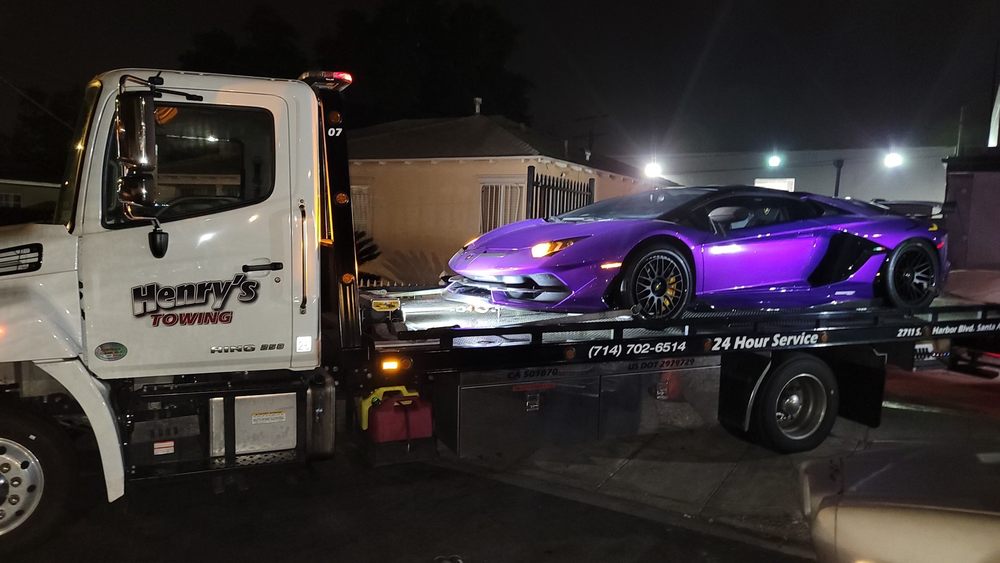
How Dispatch and Arrival Time Work
Understanding Santa Ana Traffic Conditions
Arrival time depends heavily on traffic conditions in Santa Ana. During morning and evening rush hours, congestion along I-5 and CA-55 can impact response times. Streets like Main Street often see heavy stop-and-go traffic, particularly near commercial zones and intersections. An expert towing company factors these conditions into dispatch planning. Drivers use GPS routing tools to avoid bottlenecks and construction zones. While exact arrival times can vary, clear communication from dispatch helps you know what to expect.
Factors That Influence Response Time
Weather conditions, road closures, and accident severity can all influence how quickly a reliable tow truck reaches you. For example, a collision during peak commuting hours near Bristol Street may require coordination with law enforcement before vehicle recovery begins. In other cases, breakdowns in residential neighborhoods may allow for quicker access.
Most local towing company teams aim to provide realistic time estimates rather than overly optimistic promises. Staying informed reduces stress and allows you to plan your next steps, such as contacting family or arranging alternate transportation.
Safety Procedures at the Scene
Protecting You and Other Drivers
Safety is the top priority when calling for emergency towing service. When the tow truck arrives, the operator will typically position the vehicle to shield your car from traffic. This is especially important on highways like I-5, where high-speed vehicles create dangerous conditions. Drivers may use reflective triangles, cones, or flashing lights to increase visibility. If you’re in a high-risk area, the operator may advise you to stand at a safe distance away from traffic. These precautions reduce the risk of secondary accidents.
Safe Loading and Vehicle Protection
Proper loading techniques prevent further damage to your vehicle. A trained operator will assess whether your car requires a flatbed or wheel-lift tow. Vehicles involved in accidents often require specialized handling to protect suspension and frame components.
Professional operators follow strict safety procedures when securing your vehicle. Straps, chains, and wheel restraints are applied carefully to prevent shifting during transport. Choosing a licensed and insured accident towing service ensures accountability and protection throughout the process.
Equipment and Tow Truck Types Used
Choosing the Right Tow Truck
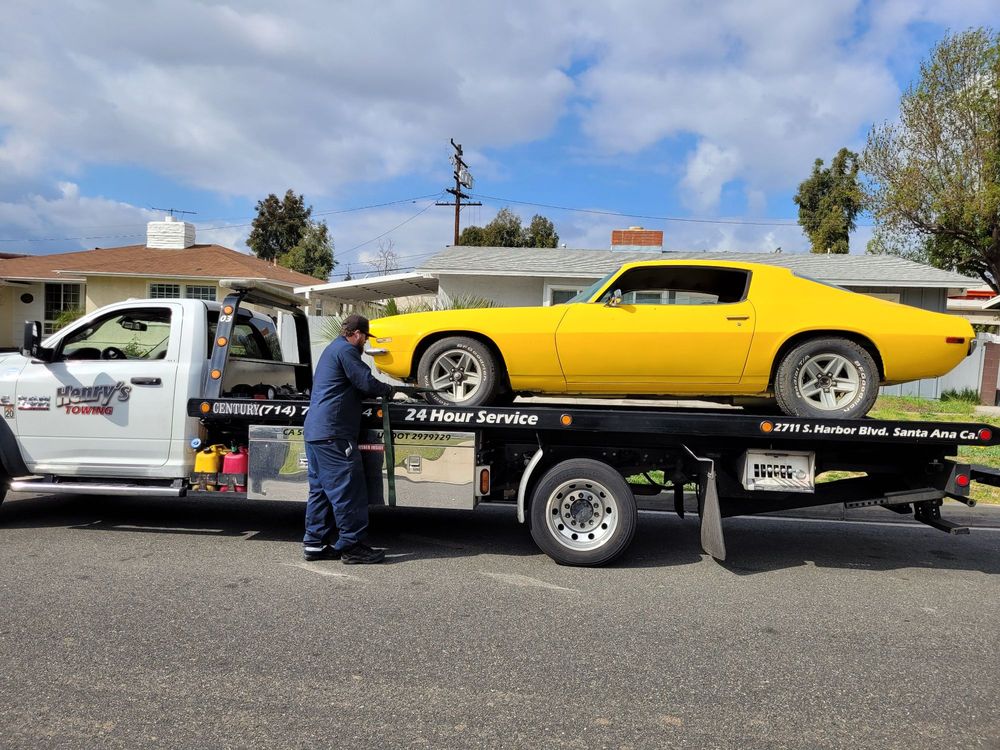
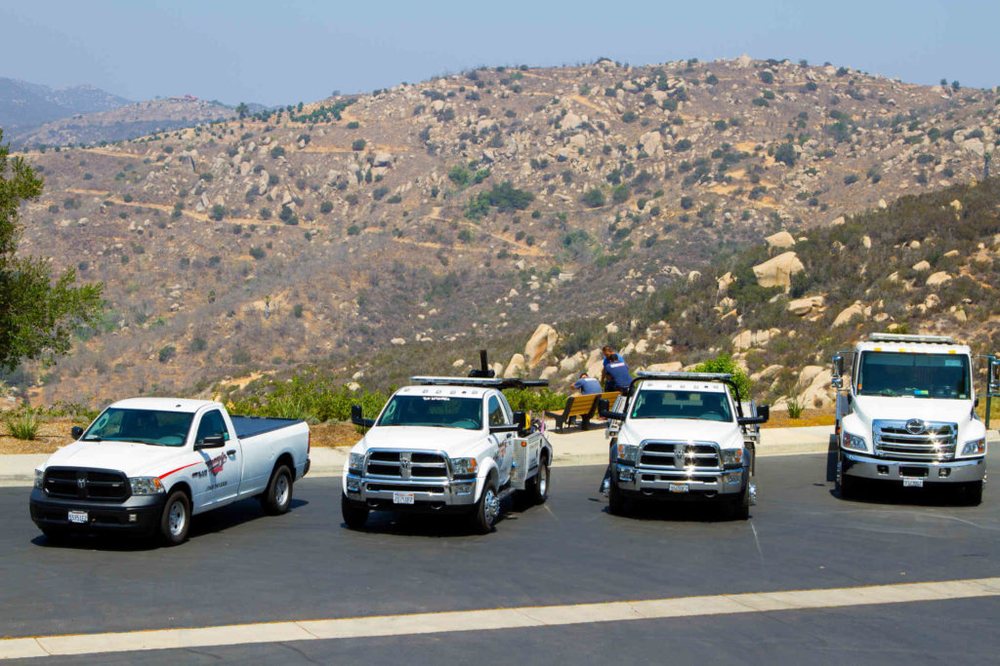
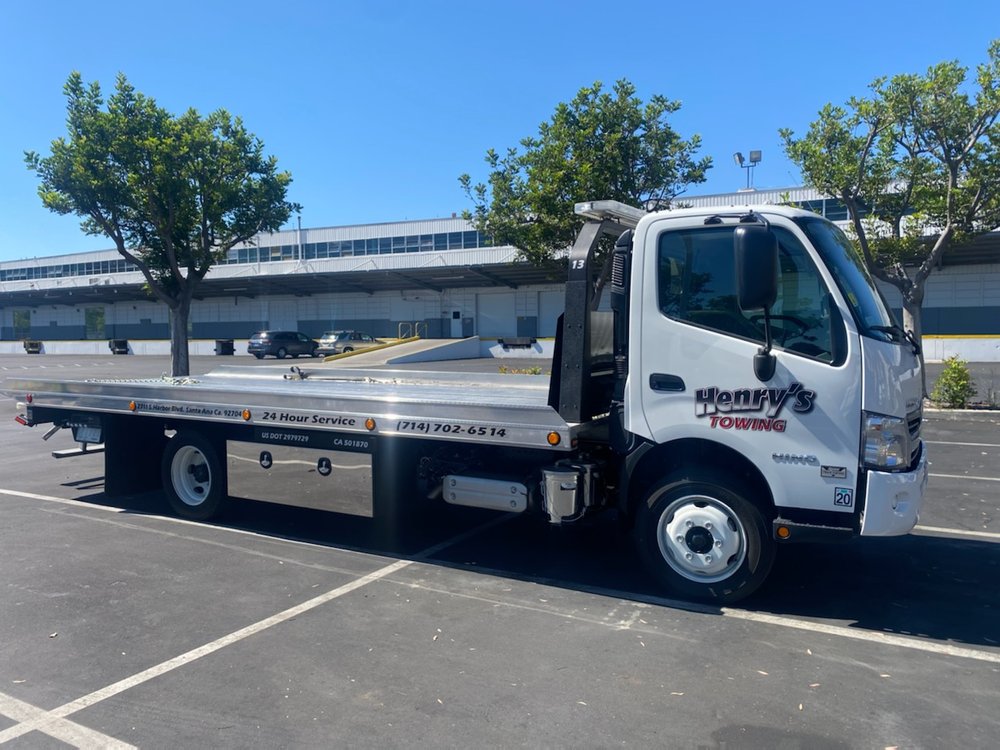
Not all towing situations require the same equipment. For standard breakdowns, a wheel-lift truck may be sufficient. However, many drivers in Santa Ana prefer flatbed towing service because it keeps all four wheels off the road, reducing wear and potential drivetrain damage.
A vehicle recovery service may also be necessary in more complex situations, such as cars stuck in medians or involved in multi-vehicle collisions. Professional assessment ensures the safest and most efficient approach.
Why Professional Equipment Matters
Using the wrong equipment can lead to costly repairs. A professional towing company invests in modern tow trucks and maintenance programs to ensure reliability. Whether handling a compact sedan or a larger SUV, proper equipment minimizes the risk of damage during transport.
This is especially important in high-traffic urban environments like Santa Ana, where quick and careful maneuvering is required. Experienced operators understand how to navigate narrow streets and crowded parking areas safely.
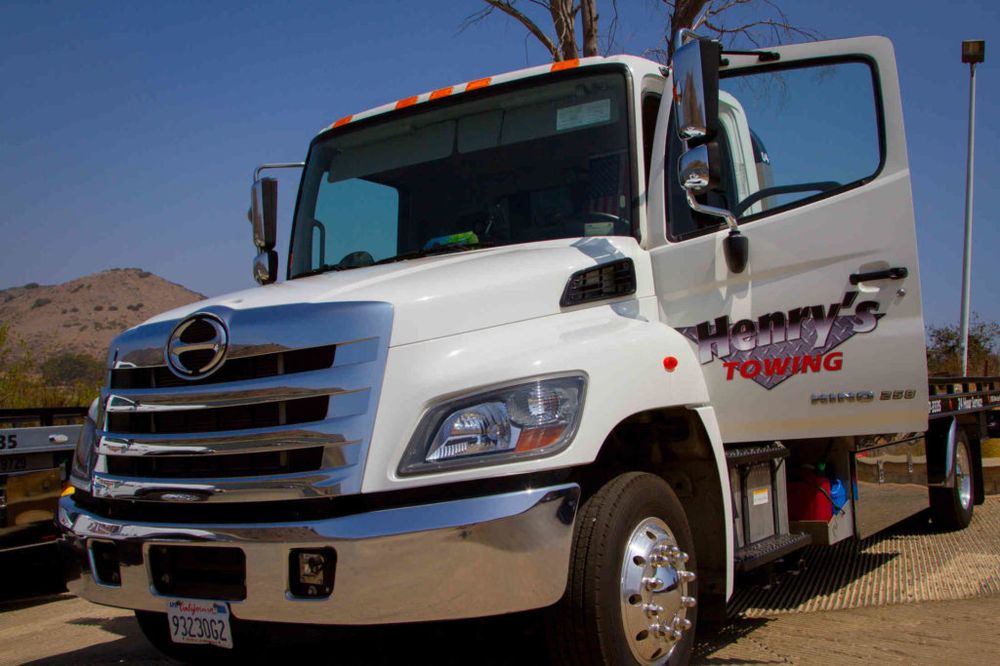
Need dependable emergency assistance in Santa Ana? Keep trusted help just one call away for fast, professional support when it matters most.
Transparent Pricing and Communication
What You Can Expect Regarding Costs
One common concern during an emergency is cost. A reputable car towing service will provide clear pricing information before transport begins. Rates often depend on distance, vehicle type, and the complexity of the recovery. Avoid companies that refuse to explain charges upfront. Transparent communication builds trust and prevents disputes after your vehicle is delivered.
Insurance and Documentation
If your vehicle was involved in an accident, your insurance may cover part or all of the towing cost. Confirm coverage details with your provider and ask the towing operator for a receipt. Proper documentation simplifies reimbursement. A professional towing company will provide clear paperwork outlining services performed. This protects both you and the service provider from misunderstandings.
What Happens After Your Vehicle Is Towed?
Choosing a Destination
You typically decide where your vehicle will be taken. Options may include your home, a repair shop, or a dealership. If you’re unsure, the dispatcher can offer general guidance without pressuring you into a specific choice. In some accident cases, vehicles may need to be transported to a designated facility for inspection. Clear communication ensures your car reaches the correct location without delays.
Next Steps After Drop-Off
After the vehicle is delivered, the operator will confirm placement and provide any necessary documentation. If repairs are needed, you can coordinate directly with your mechanic. Having a clear understanding of the process helps you regain control of the situation.
For drivers seeking dependable local assistance, Henry’s Towing Service, located at 2500 S Susan Street, Santa Ana, CA 92704, provides structured emergency assistance. Keeping 714-702-6514 saved on your phone ensures you’re prepared in case of an emergency.
Frequently Asked Questions
How quickly can a tow truck arrive in Santa Ana?
Arrival times vary depending on traffic and location. Congestion on I-5 or CA-55 during peak hours can add delays. In less crowded areas, response times may be shorter. Dispatchers usually provide an estimated timeframe based on current road conditions.
What details should I provide during the call?
Be ready to share your exact location, the make and model of your vehicle, and the nature of the problem. Mention nearby intersections or landmarks if possible. If you’re on a freeway, include the direction of travel and the closest exit. Clear details speed up dispatch accuracy.
Is emergency towing available 24/7?
Most emergency towing service providers operate around the clock. Breakdowns and accidents don’t follow a schedule, especially in busy urban areas like Santa Ana. Confirm availability during your call to ensure immediate assistance.
Will my insurance cover emergency towing?
Many insurance policies include towing coverage, but limits vary. Check your policy details or contact your provider for clarification. Keeping receipts and service documentation helps with reimbursement. Some roadside assistance plans also include towing benefits.
How can I stay safe while waiting for a tow truck?
If possible, move your vehicle to a safe location away from traffic. Turn on hazard lights and remain visible. Stand at a safe distance, especially near busy roads like Main Street. Avoid accepting help from unofficial sources and wait for the confirmed tow truck.
Conclusion
Calling an emergency car towing service can feel overwhelming, especially in high-traffic areas like Santa Ana. Understanding what information to provide, how dispatch works, and what safety procedures to expect helps you stay calm and in control. From arrival time estimates to proper vehicle handling, professional towing prioritizes both safety and damage prevention.
Being prepared before an emergency happens makes a significant difference. Save 714-702-6514 in your phone so you’re ready if trouble arises on I-5, CA-55, or city streets. Henry’s Towing Service offers structured, safety-focused support when you need reliable assistance most.